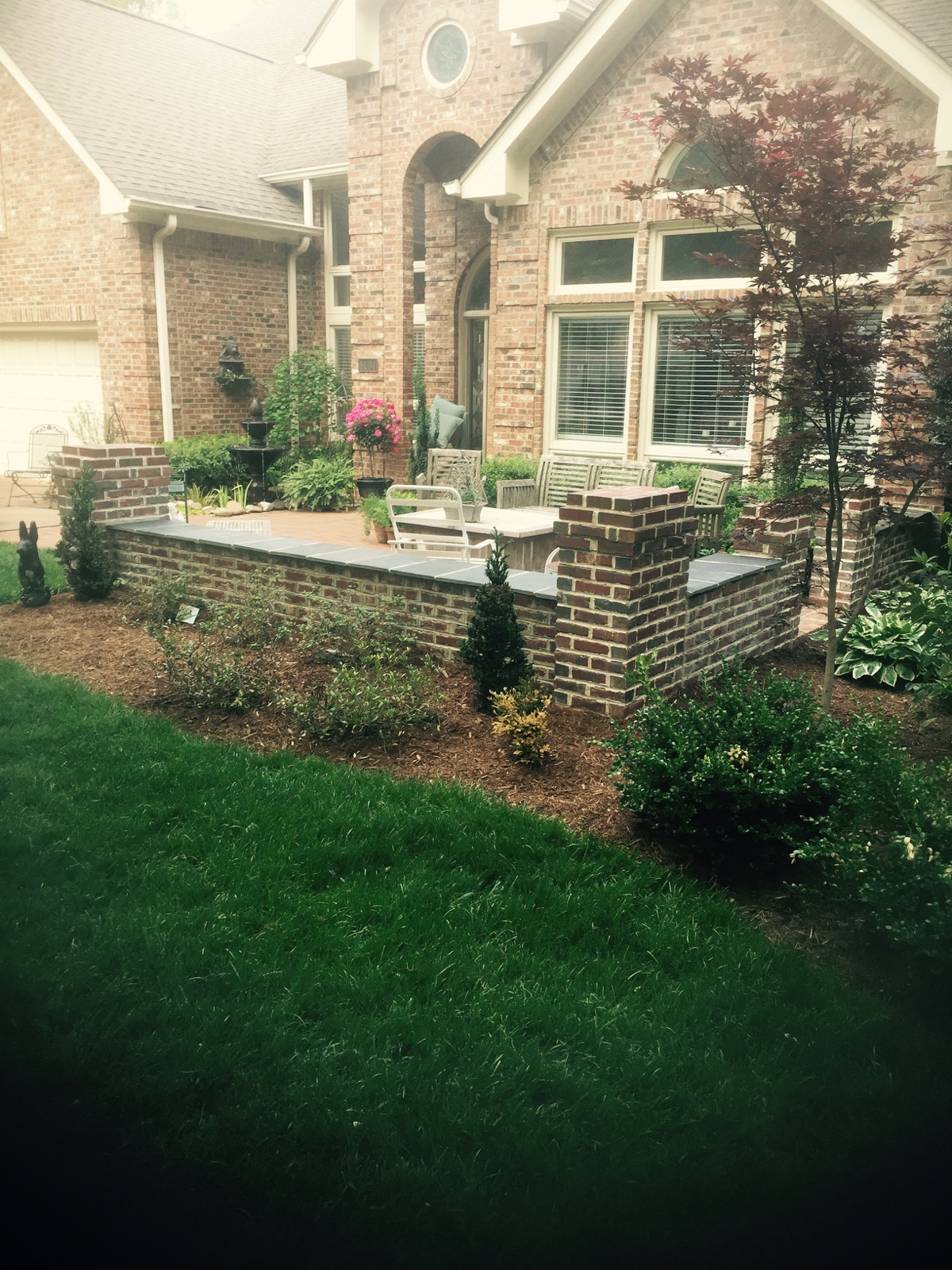
The short answer: Front-yard landscaping cost in Raleigh depends on the size and condition of the site, grading and drainage needs, access, demolition, hardscape, planting, lighting and how much work is completed at once. A site visit and defined scope are necessary for a useful project price.
Start with the scope, not a square-foot shortcut {#scope}
Two Raleigh front yards with the same area can require very different work. One may need a planting refresh around sound walks and healthy trees. Another may need demolition, grading, drainage correction, a new entry path, lighting, soil preparation and a complete planting plan. Treating both as a price-per-square-foot exercise hides the decisions that actually shape the estimate.
A useful scope identifies what stays, what changes and what problem the project should solve. It might focus on a clearer arrival sequence, safer steps, stronger curb appeal, less recurring maintenance, better drainage or more privacy. The more goals a project combines, the more coordination it usually requires.
The NC State Extension landscape-design guidance begins with an inventory and analysis of the property before design decisions are made. That same order improves budgeting: understand the site first, then assign money to the parts that matter.
Site conditions can change the amount of work {#site}
Existing conditions often matter more than the visible finish material. Access for people, equipment and material deliveries affects how efficiently work can happen. Narrow gates, steep slopes, protected trees, buried utilities and limited staging space can all change the construction approach.
Water also belongs in the budget conversation from the beginning. A beautiful planting plan will not solve runoff directed toward a foundation or a low point that stays saturated. The City of Raleigh’s residential drainage information explains that private drainage, easements and impacts on neighboring properties need to be considered. A landscape estimate should make clear whether grading, downspout routing, drains or planted stormwater measures are included.
Soil preparation is another easily underestimated line item. Raleigh-area clay may be compacted, wet, dry, disturbed or mixed with construction debris, but not every property has the same condition. Preparation should respond to what is actually found rather than assume every bed needs the same amendment.
Design choices create different cost profiles {#choices}
Hardscape usually carries a different labor and material profile from planting. Walks, walls, steps and patios require excavation, base preparation, edge restraint, drainage coordination and careful transitions. Material alone does not describe the installed scope.
Planting cost changes with plant size, quantity, species, availability and the density needed at installation. Smaller plants may cost less initially and establish well, but they require patience. Larger specimens can create immediate structure while increasing handling, access and establishment needs. A layered design may combine a few structural trees or shrubs with smaller plants that fill in over time.
Lighting, irrigation changes, demolition, hauling, permits and specialty work should be visible rather than buried inside a single number. The goal is not the longest estimate. It is an estimate clear enough to show what the client is buying.
Compare complete estimates, not just totals {#estimates}
Before comparing prices, compare assumptions. Ask whether each proposal includes design, demolition, disposal, soil work, drainage, materials, quantities, installation, cleanup and establishment responsibilities. Confirm who is responsible for utilities, permits and work outside the landscaper’s scope.
North Carolina licenses landscape contractors for qualifying work; the state licensing board explains the license and public protections. License, insurance and a written scope do not guarantee a perfect project, but they are basic information for evaluating a professional proposal.
Allowances should be labeled. Plant substitutions and material changes should have a process. Payment timing, exclusions and change orders should be understandable before work begins. A lower total may reflect a smaller scope rather than a better price for the same result.
The related guide on choosing between landscape professionals can help clarify which expertise fits the project before estimates are requested.
Phasing can protect the design {#phasing}
A front yard does not always need to be built in one season. A complete plan can identify logical phases: correct drainage and grade first, build primary walks and walls next, then install planting, lighting or secondary details. The sequence should avoid paying twice for disturbed work.
Phasing is different from improvising. Installing isolated pieces without a larger plan can create awkward grades, undersized beds or utilities beneath future construction. When the budget cannot support every goal at once, decide which work is foundational and which can wait without compromising it.
There is no honest universal figure for a Raleigh front yard. The useful number is tied to a documented site and a clear scope. Raleigh landscape design turns those conditions and priorities into a plan that can be estimated responsibly.
A site-specific Raleigh landscape
Turn general guidance into a plan for your property.
Garden & Art Landscapes brings horticultural knowledge, design thinking and construction experience to Triangle gardens.
Explore Raleigh landscape designSources and further reading
- NC State Extension Gardener Handbook: Landscape Design
- City of Raleigh: Residential Properties and Drainage
- North Carolina Landscape Contractors' Licensing Board
This guide explains general cost drivers. It does not publish or imply Garden & Art project pricing.