The short answer: Sod vs. seed for a Raleigh lawn depends on the property’s conditions, the desired result and how the work connects to the surrounding landscape. Observe first, compare complete options and verify site-specific details before installation.
A useful answer to sod vs seed starts with the property rather than a product list, fixed date or inspiration photograph. Raleigh-area landscapes vary in sunlight, slope, disturbed soil, mature trees, drainage and access. Those conditions decide which ideas are practical and which may create recurring work.
A successful lawn begins below the grass. Existing weeds, debris, grade, compaction and soil-to-root contact affect establishment. Turf species should fit sunlight, expected use and the owner’s tolerance for dormancy and recurring seasonal work.
The topic-specific decisions {#details}
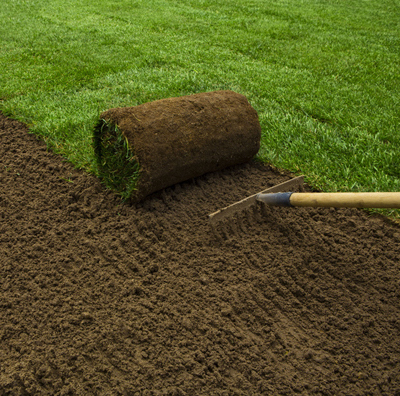
Sod provides an immediate surface and can reduce exposed-soil erosion, but it costs more upfront and still depends on good preparation and rooting. Seed offers broader cultivar flexibility and lower material cost, yet leaves the site vulnerable during germination and requires a suitable seasonal window. Patchiness can develop where seed moves, dries or lacks soil contact.
Species choice may decide the question. Warm-season grasses are commonly established by sod, plugs or sprigs, while tall fescue is often seeded or sodded. Both methods need weed control, corrected grade, prepared soil and careful moisture management. Choose based on light, use, erosion risk and timing rather than appearance on installation day.
Read the site before choosing {#site}
Compare establishment speed, season, erosion risk, species choice and preparation. Walk the area in different weather and at more than one time of day. Note where people move, where water collects, which existing plants perform well and which surfaces or utilities must remain accessible. Photographs and rough measurements turn a vague question into something that can be evaluated.
The NC State Extension offers a reliable foundation for this subject. Use its guidance to organize observations, then verify what applies on the property. No online guide can see buried utilities, compacted subsoil, tree-root conflicts, private easements or water arriving from an adjacent lot.
Separate facts from preferences. “This corner holds water for two days” is an observation; “I want river rock there” is a proposed answer. Keeping them separate makes it easier to compare more than one solution.
Define the result and its priority {#goal}
Write the primary outcome in plain language. It might be safer circulation, less recurring upkeep, more privacy, healthier plants, controlled runoff or a better gathering space. Rank that outcome above secondary preferences such as a material color or a photograph saved online.
Explain that both options still require soil preparation. Two options may look similar at installation while requiring different preparation, maintenance and replacement cycles. Ask what happens beneath the visible finish, how the choice changes as plants mature and what establishment work remains after installation.
Current public guidance or requirements may shape the plan. The NC State Extension Carolina Lawns is a useful starting point, but confirm current rules, manufacturer instructions and property-specific limits before committing money or altering the site.
Compare a complete system {#system}
Evaluate each option as a system: preparation, installation, water movement, edges and transitions, future access and routine care. Price alone does not show whether two scopes solve the same problem. A lower estimate may simply omit work that another proposal makes visible.
Consider adjacent beds, walks, structures, trees and future projects. Work that changes grade or runoff belongs before finish planting. Materials and plants should be judged at mature scale, not only by a small sample or nursery container.
For additional professional context, consult the City of Raleigh. A qualified contractor or designer should be able to explain assumptions, exclusions and why an approach fits this site instead of presenting one method as universally best.
Avoid the attractive shortcut {#shortcuts}
Avoid one-size-fits-all watering schedules. Be cautious when advice promises a single best answer without asking about site conditions. Regional climate guidance narrows choices, but it does not replace checking light, moisture, grade, soil, use and the condition of existing construction.
Another common mistake is treating a symptom while leaving its source. Replacing a struggling plant, hiding wet soil or adding a finish layer can postpone the issue. Diagnose first, then select the smallest complete intervention that supports the long-term plan.
Before approving work, ask:
- What specific problem or use should this address?
- Which existing conditions could change the recommendation?
- What preparation, cleanup and follow-up care are included?
- Could the work affect drainage, utilities or mature trees?
- How should the result perform after several seasons?
Write the answers into the scope. That record makes estimates easier to compare and provides a reference if conditions change during work.
Choose a responsible next step {#next}
For a do-it-yourself project, document the site, read the cited primary guidance and begin with small reversible tests where appropriate. For grading, construction, electrical work, significant pruning or persistent drainage, involve the relevant qualified professional and verify current requirements.
The related Journal guide on sod installation cost raleigh supplies context for the next decision in this topic. It is intentionally linked instead of repeating the same advice here.
When the work needs a coordinated plan, Explore sod installation can connect the immediate question to the rest of the property. A good first conversation does not force a predetermined product; it clarifies the outcome, constraints and order of work.
A site-specific Raleigh landscape
Turn general guidance into a plan for your property.
Garden & Art Landscapes brings horticultural knowledge, design thinking and construction experience to Triangle gardens.
Explore sod installationSources and further reading
General educational guidance only; recommendations for a specific property require site review.