Understand the failure
We look at light, drainage, traffic, irrigation and the previous lawn. New sod should not be placed over an unresolved condition that caused the old turf to decline.
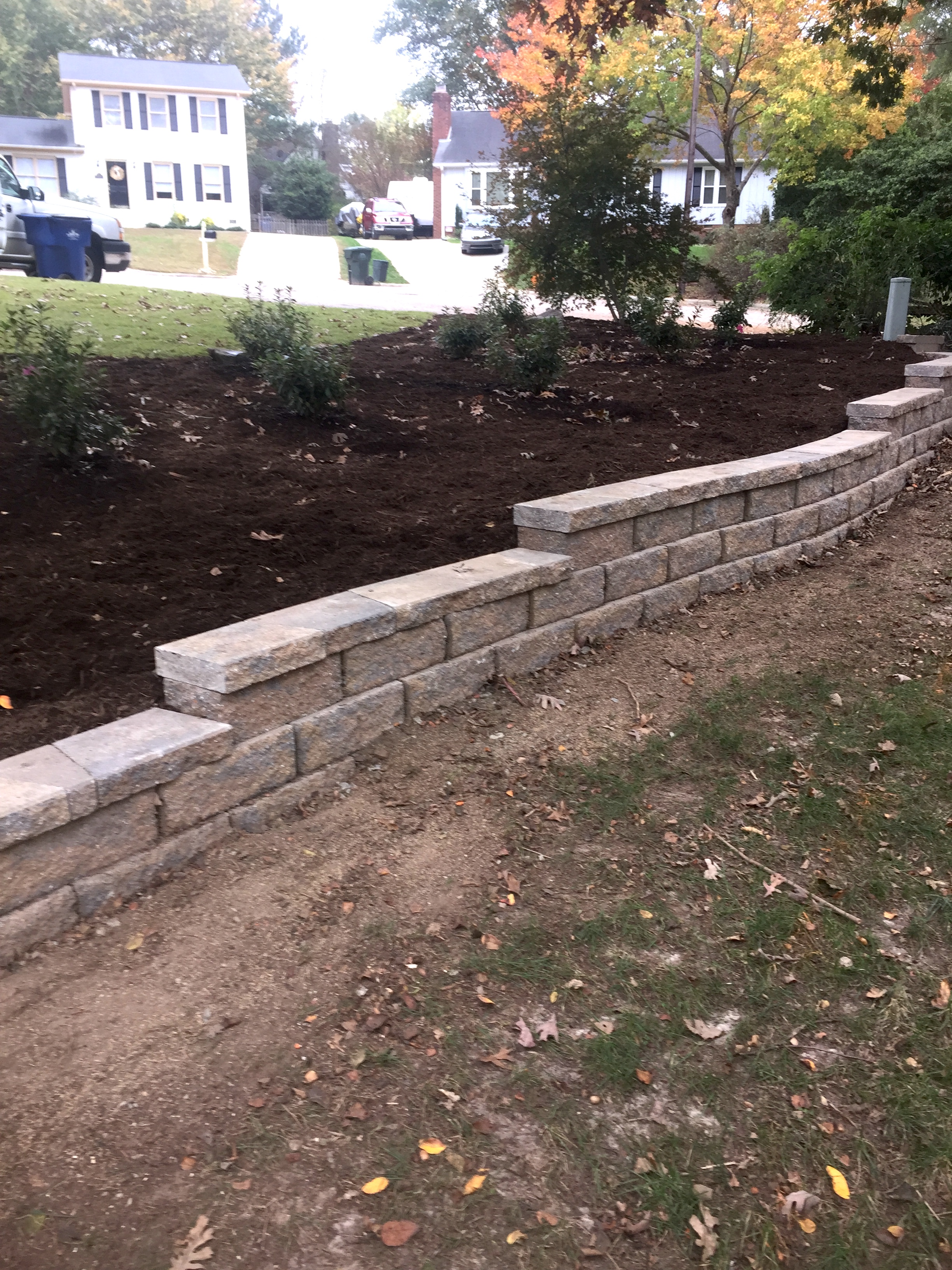
Residential sod installation · Raleigh, NC
Garden & Art installs residential sod in Raleigh with attention to light, drainage, soil preparation and use—because the work beneath the grass determines how the new lawn begins.
Discuss your new lawnPreparation before instant green
A successful sod project starts by asking why the existing lawn failed and whether turf is still the right answer for that part of the property.
Fresh sod can transform a bare, muddy or damaged area quickly, but the visible roll is only the final layer. Poor drainage, compacted soil, deep shade, construction debris or heavy traffic can follow the new lawn unless those conditions are identified first.
Garden & Art evaluates the lawn as part of the property. Grade needs to connect cleanly to walks, patios and beds. Turf choice needs to fit the available sun and intended use. Irrigation coverage and establishment care need to be realistic. That wider view helps avoid paying for an immediate green surface that is poorly matched to the site.
A lawn built from the ground up
We look at light, drainage, traffic, irrigation and the previous lawn. New sod should not be placed over an unresolved condition that caused the old turf to decline.
The grass type is selected for available sun, intended use, appearance and the maintenance you can provide. No turf performs equally in every Raleigh yard.
Removal, grading, soil preparation and smooth transitions create the base. This is where drainage and final surface quality are largely decided.
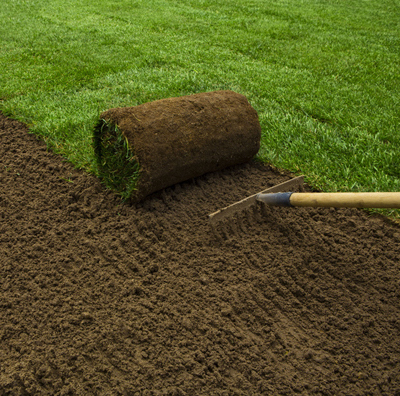
Sod is laid with tight joints, rolled and watered promptly. Clear early watering and traffic guidance helps roots connect with the prepared soil.
Turf matched to the property
The best lawn is not the same grass in every yard. It is the turf type and lawn area that fit the property you actually have.
A sunny play area has different demands from a narrow side yard or a lawn beneath mature trees. Heat, shade duration, root competition and normal foot traffic should guide turf choice and the amount of lawn retained. Where conditions are fundamentally poor for grass, expanding a bed or changing the surface can be more responsible than repeated replacement.
Water is most important during establishment, but more is not always better. The soil needs consistent moisture and good contact with the sod while still allowing air around developing roots. Even coverage, observation and adjustment to rainfall matter more than following the same clock schedule every day.
Scope, timing and investment
Square footage is only the starting point. Removal, access, grade, soil condition and irrigation can materially change the work required.
Existing turf, weeds, roots, debris and unsuitable surface material may need to be removed before preparation can begin.
Low spots, settlement, compaction and transitions affect preparation. Major drainage or structural concerns remain separate scopes.
Grass type, delivery size, carrying distance, gates, slopes and protection of finished areas influence labor and scheduling.
Reliable water coverage and a realistic early-care plan are essential. Installation cannot compensate for sod that dries before roots establish.
Common questions
Sod provides an immediate surface and faster erosion protection, while seed can cost less and may offer different variety choices. Site, season, budget and how quickly the area must be usable determine which approach makes more sense.
Turf needs enough light for the selected grass type. Some tolerate partial shade better than others, but deep shade, heavy root competition and poor airflow can make any lawn struggle. In those areas, a planted bed or another surface may be the better long-term design.
Laying new sod over failing turf, weeds or an uneven compacted surface prevents good soil contact and preserves existing grade problems. Proper removal and preparation help the new roots enter the soil evenly.
New sod must remain consistently moist during establishment without sitting in prolonged saturation. Exact timing changes with weather, soil, turf type and irrigation coverage. Garden & Art provides project-specific guidance rather than a fixed schedule that ignores conditions.
Traffic should be limited while roots are beginning to connect with the soil. The timeline depends on season and growth. Essential access may be possible sooner, but play, pets and repeated foot traffic should wait until the surface is stable.
Visible surface grading and residential landscape drainage can be assessed as part of the project. If the problem involves a foundation, engineered system, public infrastructure or another scope outside landscape contracting, that work needs the appropriate professional.